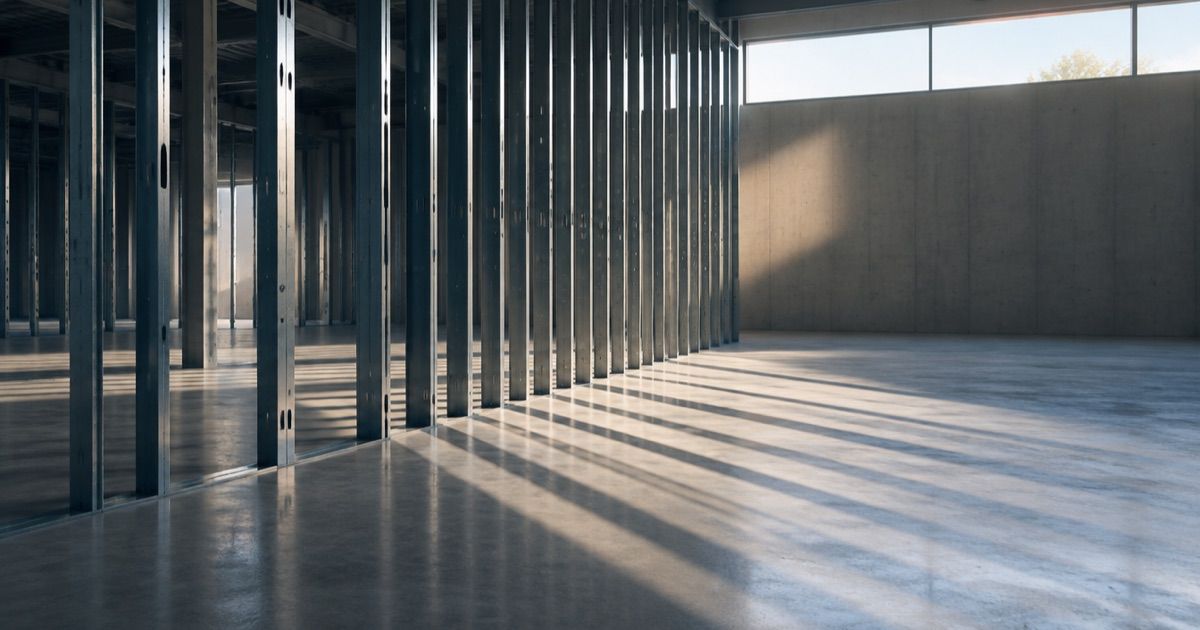
Commercial Tenant Improvement in San Jose
How to Plan a Commercial Tenant Improvement Project in San Jose
A commercial tenant improvement project can turn an empty shell, outdated office, or underused retail space into a place that supports how your business actually works. For property owners and business owners in San Jose, the planning stage matters just as much as the construction itself.
The challenge is that tenant improvements often involve more than new paint, flooring, and fixtures. You may need layout changes, code updates, electrical adjustments, roofing coordination, accessibility upgrades, or new finishes that fit your brand and daily operations.
With the right plan and the right commercial contractor, you can reduce delays, control expectations, and make smarter decisions before work begins. Here is how to plan a commercial tenant improvement project in San Jose with fewer surprises.
What Should You Define Before Starting a Tenant Improvement Project?
Before you request bids or approve drawings, get clear on what the space needs to do. A commercial tenant improvement should support your workflow, customer experience, employee comfort, and long-term business goals.
Start by separating must-haves from nice-to-haves. This helps you protect the most important parts of the project if budget or timing decisions come up later.
Identify the Purpose of the Space
A retail shop, medical office, restaurant, warehouse office, and professional suite all have different improvement needs. A retail build out may focus on customer flow, display areas, lighting, checkout space, and storage. An office renovation may prioritize meeting rooms, private workspaces, break areas, technology access, and sound control.
Write down how people will move through the space each day. Think about employees, clients, vendors, maintenance crews, and visitors. This simple step can reveal layout issues before they become expensive changes.
Review the Existing Conditions
The current condition of the building will shape the project scope. Walls, ceilings, flooring, restrooms, roofing, electrical systems, plumbing, and HVAC access can all affect cost and schedule.
For larger upgrades, it may help to review Commercial Construction Services in San Jose so you understand how tenant improvements can connect with broader building work. This is especially useful when the project goes beyond surface updates and requires coordination across multiple trades.
Set a Realistic Budget Range
Tenant improvement budgets should account for labor, materials, permits, design work, inspections, fixtures, finishes, and contingency funds. Business owners often focus on visible upgrades first, but behind-the-wall work can have a major impact on the final cost.
A good budget should also include a cushion for unknowns. Older commercial spaces in San Jose may reveal issues once demolition starts, such as outdated wiring, water damage, or framing that needs correction.
How Do Permits, Codes, and Approvals Affect the Timeline?
Commercial projects are tied to safety rules, accessibility standards, city requirements, and sometimes landlord approvals. These steps can affect your timeline, so they should be discussed early.
Planning for approvals upfront helps reduce downtime and keeps expectations realistic. It also gives your commercial contractor time to coordinate drawings, scopes, inspections, and trade work in the right order.
Understand Landlord and Lease Requirements
Many tenant improvement projects are shaped by the lease agreement. The landlord may need to approve layout changes, exterior updates, signage work, roofing access, mechanical changes, or anything that affects shared building systems.
Before construction begins, review who is responsible for each cost. Some leases include tenant improvement allowances, while others place most of the cost on the tenant. Clarifying this early helps avoid disputes once work is underway.
Plan for City Review and Inspections
San Jose commercial properties may require permits depending on the type of work being completed. Structural changes, electrical work, plumbing modifications, mechanical adjustments, accessibility improvements, and occupancy-related upgrades often need review.
A contractor familiar with Commercial General Contracting in San Jose can help identify which parts of the project may require permits or inspections. This does not replace formal city review, but it can help you plan with fewer blind spots.
Do Not Treat Code Updates as Optional
Code-related work may not be the most exciting part of a project, but it protects the business, property owner, employees, and customers. Accessibility, fire safety, restroom access, exit paths, lighting, and occupancy requirements can all affect your plan.
Ignoring these items can lead to delays, failed inspections, or added costs near the end of the project. It is better to address them during planning than to fix them under pressure.
What Should Be Included in the Project Scope?
A clear scope is one of the best tools for keeping a commercial tenant improvement project on track. It helps you compare bids, communicate expectations, and reduce misunderstandings.
The scope should describe what is being built, what is being removed, what materials are expected, and which trades are involved. It should also explain what is not included.
Layout, Demolition, and Build Out Details
The scope should identify walls to be removed, new walls to be built, doors to be added, ceiling changes, flooring replacement, cabinetry, counters, fixtures, and finish upgrades. For a retail build out, it may also include display zones, front counter design, fitting rooms, storage rooms, and customer-facing details.
If you are planning Retail Build Out Services in San Jose, the scope should balance design with function. A beautiful space still needs to support daily sales, staff movement, inventory, cleaning, and customer comfort.
Office, Staff, and Customer Areas
For an office renovation, think beyond desks and conference rooms. Break rooms, restrooms, reception areas, private offices, file storage, technology access, lighting, and acoustic comfort can all affect how well the finished space works.
Property owners should also consider future tenants. Flexible layouts can make a commercial space easier to lease later, especially in a competitive San Jose market.
Exterior, Roofing, and Site Needs
Some tenant improvement projects extend outside the interior space. A business may need exterior repairs, site access improvements, parking adjustments, or roofing coordination for rooftop equipment.
When roof conditions affect the project,
Commercial Roofing in San Jose may be a helpful related service to consider. Roof leaks, drainage issues, or equipment penetrations should be addressed before interior finishes are installed.
How Can You Choose the Right Commercial Contractor?
Choosing the right contractor is not only about price. A tenant improvement project requires planning, communication, trade coordination, and an understanding of how commercial spaces operate.
The best fit is usually a contractor who asks good questions before giving answers. That shows they are looking at the whole project, not just the visible finishes.
Look for Commercial Project Experience
Commercial work is different from residential remodeling. Business spaces may involve occupancy rules, public access, tenant schedules, landlord requirements, and tighter coordination with other professionals.
A contractor with experience in Commercial Renovation & Remodeling in San Jose can help you think through practical details before construction begins. This may include phasing work, protecting existing finishes, coordinating inspections, and reducing disruption to nearby tenants.
Ask About Communication and Scheduling
Ask how updates will be handled, who your main contact will be, and how changes will be documented. Clear communication helps prevent small decisions from turning into delays.
Scheduling matters even more if your business is already operating. Some projects may need after-hours work, phased construction, or careful planning around customer traffic and employee schedules.
Compare Bids Carefully
A low bid may not include the same scope as a higher one. Review what each proposal includes for materials, labor, permits, cleanup, supervision, and change orders.
Look for clarity. A detailed proposal gives you a better foundation for decision-making and reduces the chance of unexpected costs later.
How Do You Prepare the Space Before Construction Begins?
Preparation helps the work start with fewer interruptions. Before construction begins, make sure the contractor, property owner, tenant, and any design professionals are aligned.
This is also the time to confirm access, working hours, staging areas, delivery plans, and safety expectations. A little coordination now can save days of confusion later.
Confirm Final Selections Early
Finish selections can affect lead times. Flooring, lighting, counters, cabinets, doors, hardware, paint colors, and fixtures should be selected early enough to avoid schedule gaps.
If decisions are delayed, the contractor may need to pause certain parts of the work. That can affect the overall timeline, especially when multiple trades depend on each other.
Plan Around Business Operations
If the space is occupied, decide how construction will affect employees, customers, and vendors. You may need temporary signage, dust control, adjusted hours, blocked-off work areas, or phased access.
For vacant spaces, timing is still important. Lease start dates, opening dates, inspections, inventory delivery, and staff training can all depend on the project finishing on time.
Think About Nearby Growth Plans
Business owners in nearby communities may face similar planning questions. For example, Commercial Tenant Improvement in Santa Clara and Commercial Tenant Improvement in Sunnyvale can involve similar issues with permits, tenant schedules, and building conditions.
Thinking regionally can also help property owners who manage multiple spaces. Consistent planning standards make future projects easier to budget and manage.
Why Commercial Tenant Improvement Matters in San Jose
San Jose has a wide mix of commercial properties, from office suites and retail centers to industrial spaces and mixed-use buildings. A well-planned commercial tenant improvement can help a business use its space better, create a stronger customer impression, and protect the long-term value of the property. In a city where business needs can shift quickly, planning the project carefully helps owners make practical upgrades that support both current use and future flexibility.
Plan Your Project With Wilson General Contracting
Wilson General Contracting helps property owners and business owners plan commercial renovation, remodeling, retail build out, and general contracting projects with practical guidance from start to finish. To learn more, call 925-915-1606 and discuss your San Jose commercial project.
Frequently Asked Questions
What is included in a commercial tenant improvement project?
A commercial tenant improvement project can include demolition, framing, flooring, paint, lighting, restrooms, cabinetry, ceilings, electrical updates, plumbing changes, and layout modifications. The exact scope depends on the condition of the space and how the business plans to use it.
How long does a commercial tenant improvement take?
The timeline depends on the size of the space, permit requirements, material lead times, and the complexity of the work. A smaller office renovation may move faster than a full retail build out with extensive layout, electrical, and finish changes.
Do I need permits for a tenant improvement in San Jose?
Many commercial tenant improvement projects in San Jose require permits, especially when the work involves structural, electrical, plumbing, mechanical, accessibility, or occupancy changes. A commercial contractor can help you identify which parts of the scope may need review before work begins.
How do I budget for a retail build out?
Start by defining the layout, finishes, lighting, customer areas, storage needs, and any code-related upgrades. Then add a contingency for unknown conditions, especially if the space is older or has not been updated in several years.
Why should I hire a commercial contractor instead of separate trades?
A commercial contractor helps coordinate the project, schedule trades, manage communication, and keep the scope organized. This is especially important when multiple parts of the project depend on each other, such as demolition, framing, electrical work, inspections, and finish installation.
Planning a commercial tenant improvement in San Jose takes time, but the right preparation can make the project easier to manage. When you are ready to update a business space, retail location, or office, Wilson General Contracting can help you learn more and take the next step with confidence.